
How to Remove Stubborn Bathroom Limescale and Prevent Black Mould
Tired of cloudy shower screens, crusted taps, and persistent black mould along bathroom silicone? Discover professional descaling methods, safe mould eradication techniques, and daily maintenance habits for UK bathrooms.
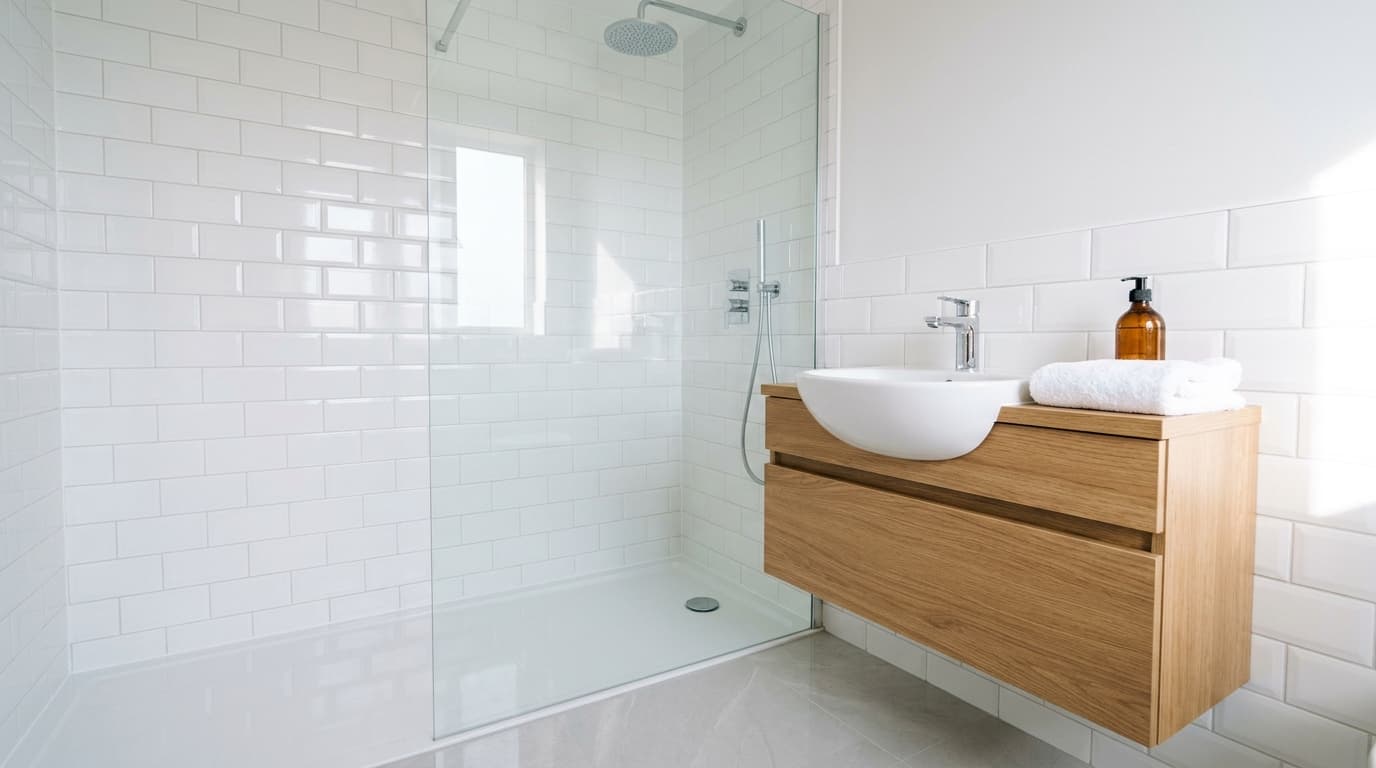
Bathrooms in the United Kingdom face a relentless dual challenge: mineral-heavy hard water that leaves cloudy limescale crusts, and enclosed humidity that creates an ideal breeding ground for toxic black mould (Stachybotrys chartarum and Aspergillus).
Left untreated, limescale bonds molecularly to glass and chrome, causing permanent etching and corroding tap cartridges. Simultaneously, black mould roots into silicone seals and porous grout lines, releasing airborne spores that compromise indoor air quality. Here is our professional blueprint for eliminating both effectively without damaging your bathroom fittings.
The Cause: Why British Bathrooms Suffer Most
Much of the West Midlands and greater UK relies on water supplies rich in dissolved calcium and magnesium carbonates. Every time water evaporates from shower screens or tap spouts, these chalky minerals stay behind, forming rock-hard calcite deposits.
At the same time, warm steam from showers condenses on cold exterior walls, mirrors, and tile surfaces. Because modern double glazing seals rooms tightly, moisture remains trapped, fueling mould colony development within 24 to 48 hours.
1. Restoring Limescale-Crusted Chrome Taps & Showerheads
Heavy limescale forms a green or white crust around tap aerators, restricting water flow and making tap spouts look neglected. The key to descaling is chemical dwell time, not aggressive abrasive scrubbing.
- 1Soak cotton pads or kitchen paper in distilled white vinegar or a tailored citric acid solution.
- 2Wrap the saturated pads firmly around the base of the tap and around the spout aerator.
- 3Secure in place with an elastic band and leave undisturbed for 30 to 45 minutes to dissolve the calcium bond.
- 4Unwrap and gently wipe away the softened chalk using a soft microfibre cloth or an old soft-bristled toothbrush.
- 5Rinse thoroughly with clean cold water and polish dry with a dry glass cloth to prevent fresh water spotting.
2. Clearing Stubborn Haze on Glass Shower Screens
Shower glass often develops a rough, milky haze that normal glass sprays fail to remove. This is a hybrid buildup of calcium carbonate fused with soap scum fatty acids.
- Apply a thick descaling foam or a warm citric acid solution across the glass surface.
- Allow the solution to dwell for 10 minutes so the acid can penetrate the mineral crust.
- Scrub gently in circular motions using a non-scratch white cellulose sponge. Never use green abrasive scouring pads or metal wire wool on shower glass.
- Rinse down with the shower handset using lukewarm water.
- Immediately dry with a silicone squeegee and buff with a dry waffle-weave microfibre towel.
3. Eliminating Black Mould From Grout and Silicone
Black mould often takes hold along the silicone bead where the shower tray meets the tiled wall. Because silicone is flexible, fungal hyphae can penetrate deep into the compound.
- Surface Grout Mould: Apply an oxygen-based or chlorine-based fungicidal mould spray. Allow it to penetrate for 15 minutes before scrubbing with a stiff grout detail brush.
- Deep Silicone Mould: If black spots remain inside transparent silicone after surface scrubbing, the mould has embedded beneath the sealant. No spray will permanently remove it; the silicone must be cleanly stripped with a sealant remover and resealed with high-grade sanitary anti-fungal silicone.
- Tile Wall Cleaning: Wash tiled walls from bottom to top to prevent run-down streak marks, then rinse thoroughly with clear water.
The Prevention Blueprint: Daily & Weekly Habits
Preventing limescale and mould from returning is vastly easier than descaling crusted surfaces every month:
| Frequency | Key Action | Expected Result |
|---|---|---|
| Daily (After Shower) | Squeegee glass screens and wipe down chrome taps with a dry cloth | Removes 90% of mineral standing water before it can evaporate into scale |
| Daily | Run the extractor fan for 15 minutes after showering with the door closed | Expels moist humid air outside and halts mould spore germination |
| Weekly | Spray tile surrounds with a light maintenance spray and rinse clean | Prevents body oils and soap bar scum from binding to tile glaze |
| Monthly | Detail tap aerators and inspect silicone beads along bath edges | Catches early mineral deposits before they calcify into rock-hard crusts |
When to Enlist Professional Bathroom Deep Cleaners
Restoring a bathroom with years of severe calcification, stained tile grout, and neglected sanitaryware requires commercial-grade descaling agents and specialist steam cleaning machinery. Handling strong chemicals without the right protective gear can also irritate skin and lungs.
Refuse Shine Cleaning LTD provides expert bathroom deep cleaning and full-property deep cleaning services across Dudley, Birmingham, West Bromwich, and surrounding West Midlands areas. We dissolve mineral buildup safely, restore shower sparkle, and sanitize your bathroom to clinical standards.
Summary & Next Steps
Keeping your bathroom free from limescale and black mould is entirely manageable when combining simple daily squeegee habits with systematic descaling. For neglected or heavily scaled bathrooms, a professional deep clean resets the clock, making future maintenance effortless.
Related Cleaning Guides & Advice
Explore more expert tips and maintenance checklists to keep your home immaculate.
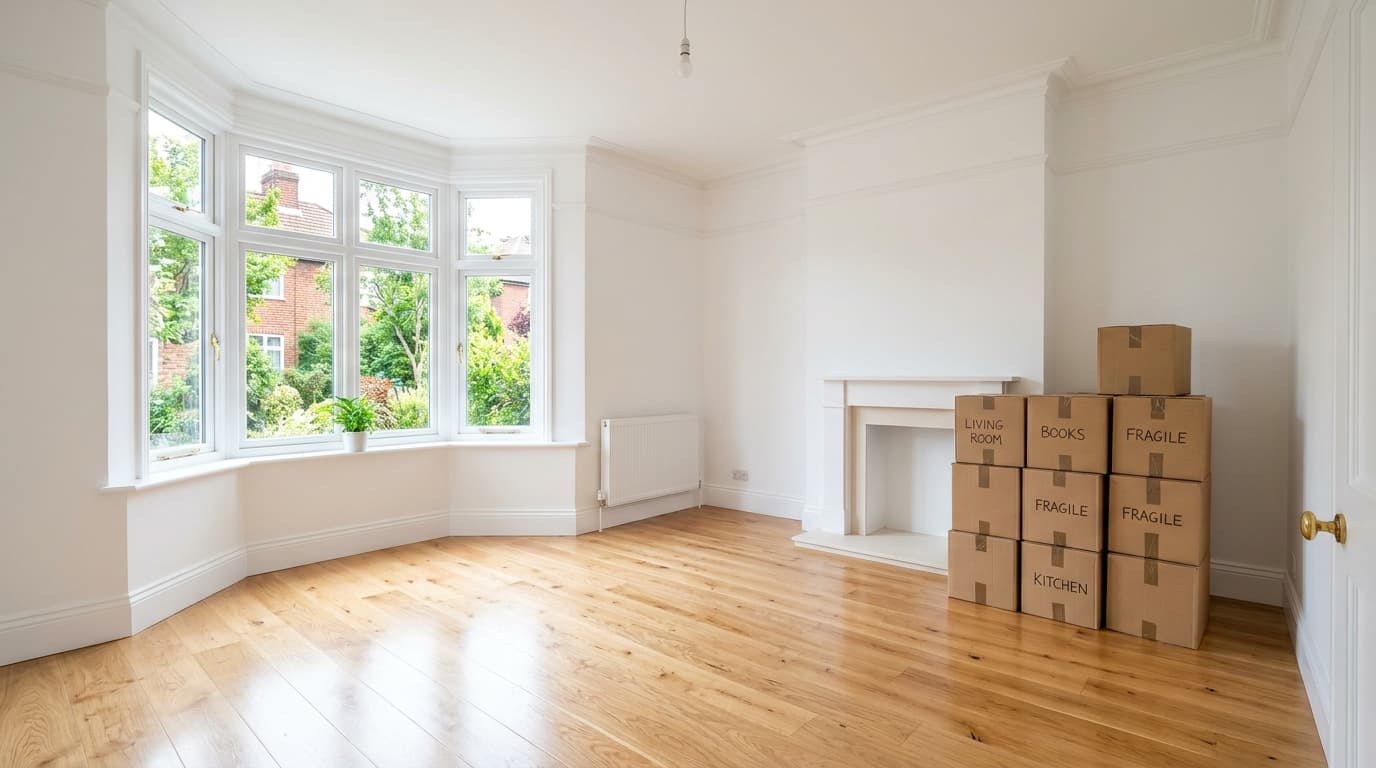
The Ultimate Move-In Cleaning Checklist for Your New Home
Stepping into a new home is exciting, but moving your belongings into someone else's leftover grime is not. Follow this comprehensive room-by-room move-in cleaning checklist to sanitize, deep clean, and refresh every corner before your furniture arrives.
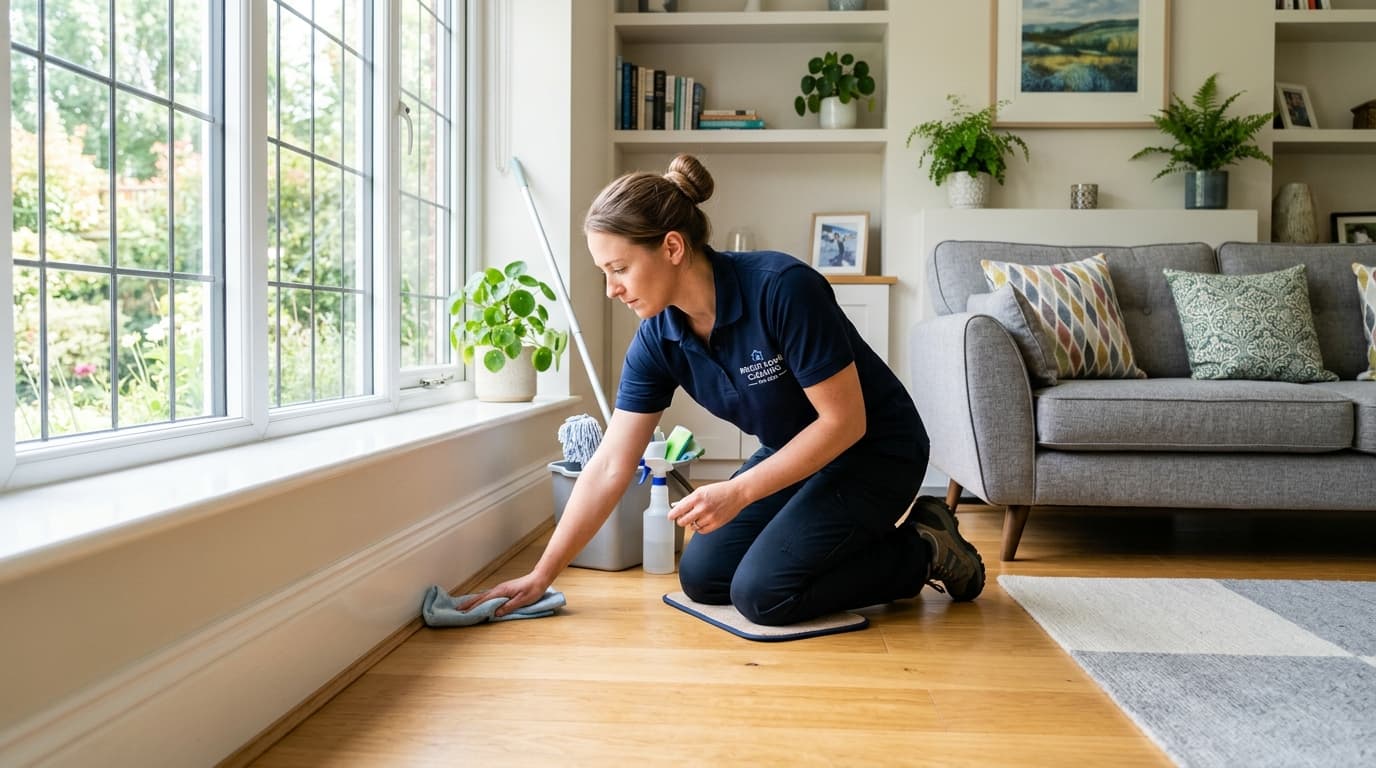
How Often Should You Deep Clean Your Home?
Understand the difference between routine maintenance and intensive deep cleaning, room-by-room frequency timelines, and key warning signs that your property needs a comprehensive refresh.
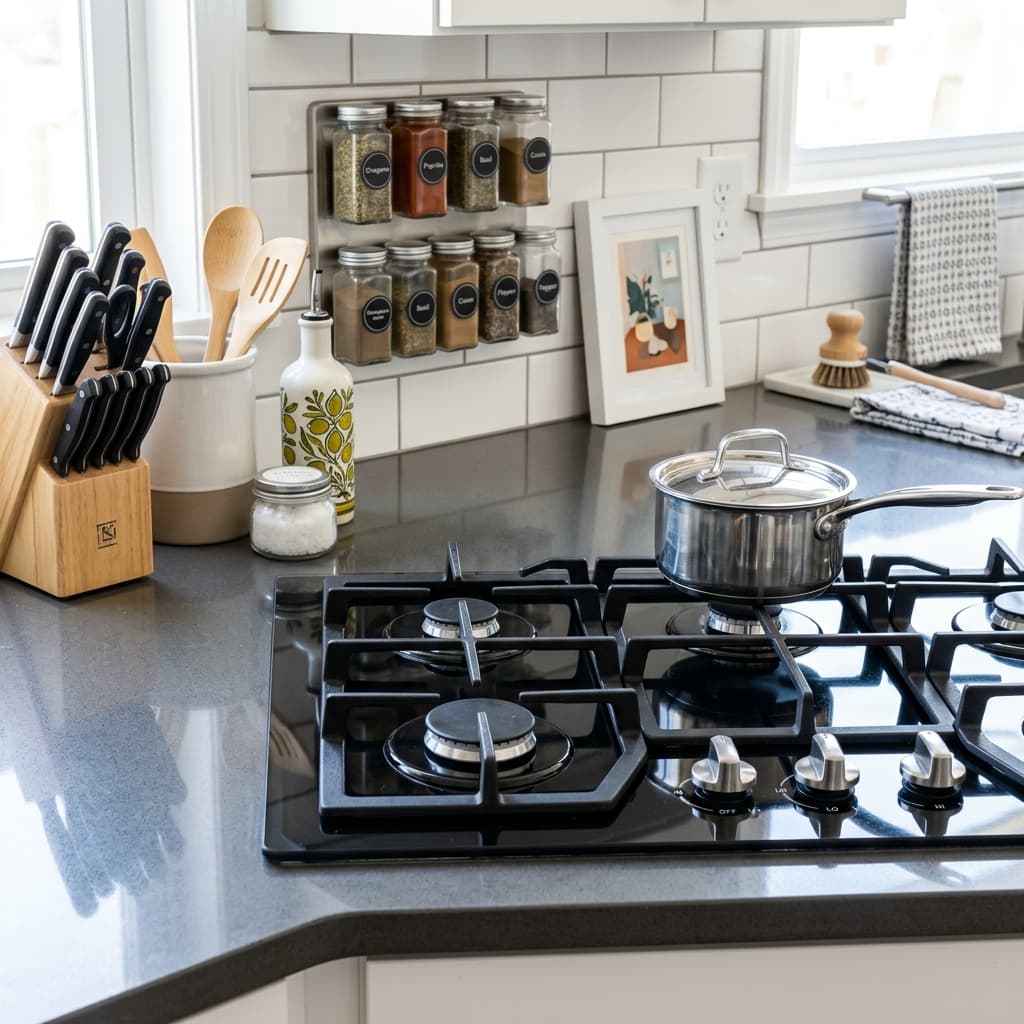
How to Deep Clean a Kitchen Step by Step
A systematic room cleaning method to degrease cupboard tops, tackle baked-on oven carbon, descale sinks, and clean hard-to-reach food prep zones safely.
Need Help With Your Cleaning?
Whether you need a regular clean, a deep clean or help preparing a property for a move, our team can help you find the right service.